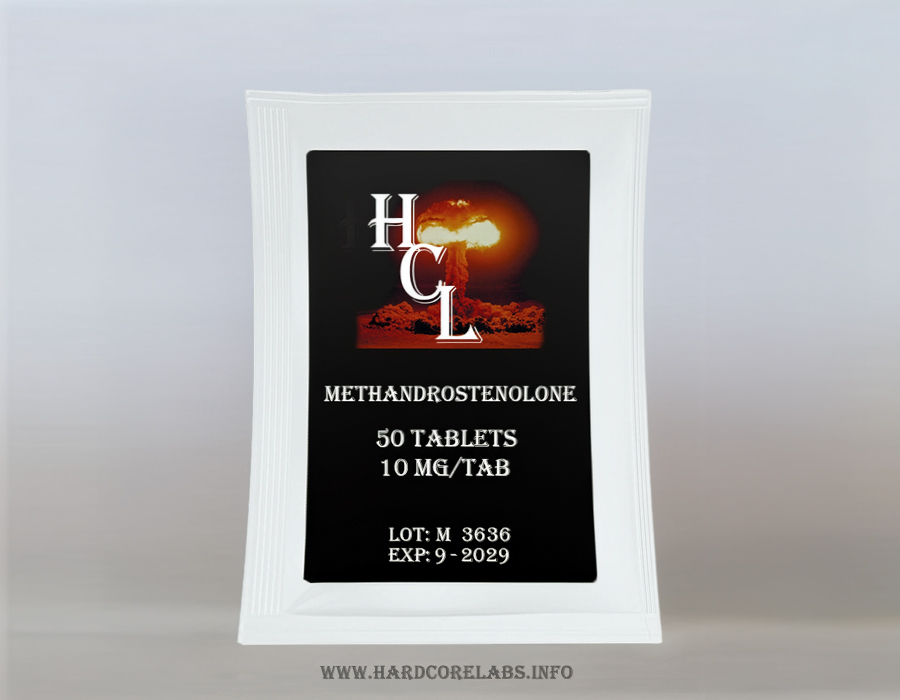
Methandrostenolone, more widely known under its original brand name Dianabol, is one of the earliest and most iconic anabolic steroids ever developed, first synthesized in the late 1950s It was created with the intent of giving American athletes a competitive edge against their Soviet counterparts, who were already experimenting with testosterone-based compounds. Dianabol quickly became one of the most popular and widely used oral steroids in the world due to its powerful anabolic effects, relatively easy access, and reputation for delivering dramatic gains in mass and strength within a short period of time. Even decades after its introduction, it continues to hold a place of respect and nostalgia in bodybuilding culture.
Dianabol is an oral 17-alpha-alkylated steroid, meaning it has been chemically modified to survive first-pass metabolism in the liver. This allows the compound to be taken orally with high bioavailability, but it also makes it hepatotoxic, to varying degrees depending on the dose, duration, and individual liver sensitivity. It is a derivative of testosterone with two key alterations: a double bond between carbon atoms one and two, which reduces its androgenic activity and increases its anabolic potency, and the 17-alpha-methyl group, which allows it to be active when ingested orally. These modifications result in a compound that is both strongly anabolic and moderately androgenic, though the androgenic side effects are still present and can become more pronounced at higher doses.
One of the defining features of Dianabol is the speed and magnitude of the results it can produce. Users typically begin to notice effects within just a few days of starting, with rapid increases in strength, muscular fullness, and weight gain. These early gains are driven by several mechanisms—enhanced nitrogen retention, elevated protein synthesis, and increased glycogen storage within the muscles. In addition to promoting muscle growth, Dianabol causes cells to retain more water, both intracellularly and systemically, which contributes to the dramatic increase in size and the feeling of fullness that users often describe as a “blow-up” phase. While some of this added size is water weight, it creates a powerful training environment by improving leverage in the gym and allowing for heavier lifts with greater confidence.
The compound has a strong affinity for the androgen receptor, which supports its anabolic activity, but it also has the capacity to aromatize into estrogen via the aromatase enzyme. This conversion results in elevated estrogen levels, which can lead to estrogenic side effects such as water retention, bloating, and gynecomastia if not properly controlled. For this reason, many users opt to run an aromatase inhibitor alongside Dianabol—typically something like anastrozole or exemestane—to manage estrogen levels. However, it’s important to strike a balance, as completely suppressing estrogen can blunt some of the anabolic synergy that occurs when moderate levels of estrogen are present. Estrogen helps with muscle growth, joint lubrication, and glucose metabolism, so total suppression can lead to dry joints, mood swings, and diminished gains.
Despite its oral administration, Dianabol has a relatively short half-life of about four to six hours, which means it needs to be dosed multiple times per day to maintain stable blood levels. Common dosing protocols include splitting the daily amount into two or three doses throughout the day, or in some cases, taking the full dose pre-workout to benefit from the acute increase in strength and aggression. Dosage ranges vary, but typical cycles fall between 20 to 50 milligrams per day, with some advanced users pushing into higher territory, although the risk of side effects increases significantly as the dose rises. Beyond 50 milligrams, the returns tend to diminish relative to the increase in toxicity and physiological stress.
In terms of strength gains, Dianabol is one of the most effective compounds available. Users often report dramatic increases in all major lifts within the first couple of weeks—sometimes as much as 10 to 20 percent improvement in bench press, squat, or deadlift. This surge in strength is partially due to increased muscle mass and water retention, but also to the heightened neuromuscular stimulation and red blood cell production that occurs under its influence. The increase in blood volume and oxygen delivery enhances endurance, pumps, and recovery, allowing users to train harder and more frequently.