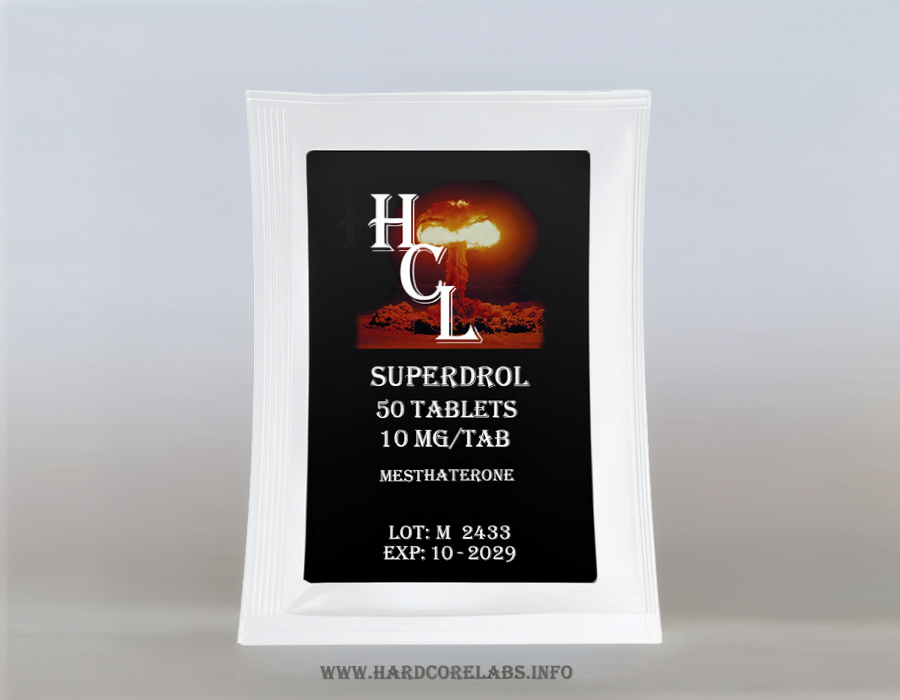
Superdrol
Superdrol, chemically known as methasterone or methyldrostanolone, is an oral anabolic-androgenic steroid that gained notoriety for its extraordinary potency, rapid onset, and the dramatic results it can deliver in a short period of time. It is a derivative of dihydrotestosterone, structurally similar to drostanolone (Masteron), but with the addition of a 17-alpha methyl group that allows it to survive oral ingestion and resist breakdown by the liver. This modification not only gives it powerful oral bioavailability but also significantly increases its toxicity, particularly hepatotoxicity, which has made Superdrol one of the more dangerous yet effective oral steroids used in bodybuilding circles.
Despite being a relatively recent compound in the world of performance enhancement, Superdrol quickly developed a reputation for transforming physiques within weeks. It was originally introduced as a “designer steroid” and briefly marketed as a dietary supplement in the mid-2000s before being pulled from shelves and classified as a controlled substance. During that short time, it gained a cult-like following due to its ability to deliver lean muscle gains, strength increases, and visual muscle hardness without causing the bloat or water retention typically associated with compounds like Dianabol. Users often reported weight gains of 8 to 12 pounds in as little as three to four weeks, almost all of which appeared lean, dry, and dense—a stark contrast to the puffy or watery look caused by aromatizing agents.
Superdrol does not aromatize into estrogen, which means it does not convert into estradiol or cause estrogen-related side effects such as gynecomastia or water retention. However, this absence of estrogen can also be a double-edged sword. Without the joint lubrication and fluid retention benefits that moderate estrogen provides, Superdrol users often experience joint discomfort, dry tendons, and even inflammation, particularly if strength increases outpace connective tissue adaptation. The compound also exhibits strong androgenic activity, though less than compounds like trenbolone or halotestin. Acne, oily skin, and hair loss can occur in individuals predisposed to those effects, though these are typically more mild unless the user has a strong genetic sensitivity to androgens.
One of the hallmark features of Superdrol is the strength increase it produces, which is often described as both immediate and aggressive. Users frequently note sharp jumps in all major lifts within the first week of administration, with enhanced explosiveness and power output. This is accompanied by muscle pumps so intense that they can become uncomfortable, sometimes requiring users to supplement with additional electrolytes or taurine to reduce cramping. Vascularity becomes more prominent, muscles appear fuller and more rigid, and the visual quality of the physique often improves daily. These effects make Superdrol highly sought-after for short-term transformation cycles, mini-cuts, or strength peaking phases, particularly when the user is already lean or preparing for a photoshoot or stage.
However, the potency of Superdrol comes with a steep physiological price. It is one of the most hepatotoxic oral steroids in existence. The 17-alpha alkylation, combined with the compound’s inherent strength and the dose-response required for results, places immense strain on the liver. Even at relatively low doses—often just 10 to 30 milligrams per day—liver enzyme values such as ALT and AST typically elevate significantly within a matter of days. Anecdotal reports and bloodwork logs have consistently shown sharp spikes in liver stress markers, and in some cases, users have experienced symptoms of liver dysfunction including lethargy, abdominal discomfort, jaundice, and dark urine. For this reason, Superdrol cycles are kept extremely short, often no longer than three to four weeks, and are always paired with robust liver support supplements such as TUDCA, NAC, or milk thistle, although these may only blunt the damage rather than prevent it.
The actual dosing of Superdrol is very low by most steroid standards, with 10 to 20 milligrams per day being sufficient for strong effects in most users. Some advanced users push up to 30 milligrams, but this greatly increases the risk of toxicity. Due to its oral form and short active life, it is typically dosed daily, often split into morning and evening administrations to maintain more stable blood levels and reduce peak-related side effects such as nausea, blood pressure spikes, or back pumps. Some users describe a toxic “feeling” that comes with higher doses—flu-like fatigue, lack of appetite, and overall malaise—which can be a signal that the compound is pushing the body’s systems beyond manageable levels. This is particularly pronounced when the liver becomes overwhelmed or when blood pressure begins to rise dramatically.
Superdrol is rarely used as a foundational compound due to its toxicity and the strain it places on recovery. Instead, it is typically reserved for short bursts of high-impact performance enhancement—perhaps at the start of a longer cycle for a rapid anabolic kick, or at the end of a cutting phase to harden the physique and polish detail before stepping on stage or completing a photo shoot. It is not appropriate for beginners, and even advanced users will often limit its use to once per year, if at all, because of the long-term stress it places on the liver and cardiovascular system. Those who do use it successfully tend to be those with a meticulous approach to bloodwork, health monitoring, supplementation, and post-cycle planning.